

Before there were cigar shops, recognizable brands, or even the cigar as we know it today, there was tobacco.
The plant is native to the Americas, and Indigenous peoples were cultivating and using tobacco long before Europeans arrived. Its uses differed among cultures and regions, but tobacco already held an important place in ceremonies, medicine, and everyday life.
Thousands of years later, tobacco is still grown, prepared, and enjoyed in many different ways. And, while modern cigar culture is far removed from those earliest traditions, understanding tobacco’s Indigenous roots adds another chapter to the story behind every cigar.
Tobacco Began in the Americas
There was no single Indigenous “tobacco culture.” Tobacco could serve different purposes depending on the community. In some cultures, it was sacred and used during prayer or ceremony.
The ways tobacco was prepared differed, too. It could be smoked in pipes, burned, chewed, or even used medicinally. These practices existed for generations before Europeans had any knowledge of tobacco.
Did Indigenous People Smoke Cigars?
Not cigars in the form you’d find in a box today.
Indigenous peoples throughout the Americas had established ways of smoking and using tobacco long before European contact. When Europeans arrived in the Americas in the late 15th century, they encountered tobacco use firsthand.
They eventually carried tobacco across the Atlantic, where interest in the plant spread. Over time, something that had originated in the Americas became a global commodity, and entirely new tobacco customs began to develop around it.
From Native Plant to Global Tobacco Tradition
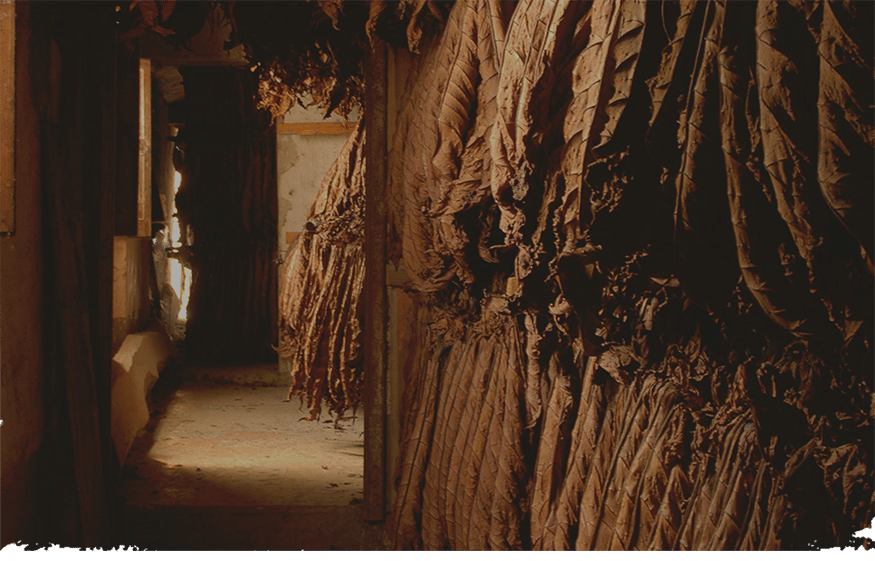
As tobacco spread, people found new ways to grow, cure and prepare it. Different climates produced different characteristics in the leaf. Methods for drying and curing tobacco developed from region to region. Eventually, cigar makers began blending different leaves to create particular flavors and smoking experiences.
Cigars had become well established in Europe and the United States. The modern cigar industry continued to develop from there, creating many of the sizes, styles and production methods smokers recognize today.
Yet, every one of those traditions begins with the same plant that Indigenous peoples of the Americas knew centuries earlier.
A Tobacco Story Thousands of Years in the Making
Today’s cigar experience would be almost unrecognizable to the people who first cultivated tobacco thousands of years ago.
Since then, tobacco has crossed oceans, entered new cultures and taken on new forms. Growing regions changed. Curing methods developed. Different cigar-making traditions emerged.
Avanti represents one chapter in that much longer story. Our fire-cured cigars have developed a following of their own, from the bold character of Parodi and De Nobili to the unmistakable flavor of Avanti Anisette.
Explore the Avanti collection and discover the flavor that has kept generations of smokers coming back